

Call of Legends
Series: Call of Legends
Release date: February 9, 2011
Cards: 95 (11 secret)
Set code: COL1
Call of Legends Card List
106 cards · 3 products


Call of Legends stamped variants (2)


Call of Legends Sealed Products (3)


Call of Legends Chase Cards
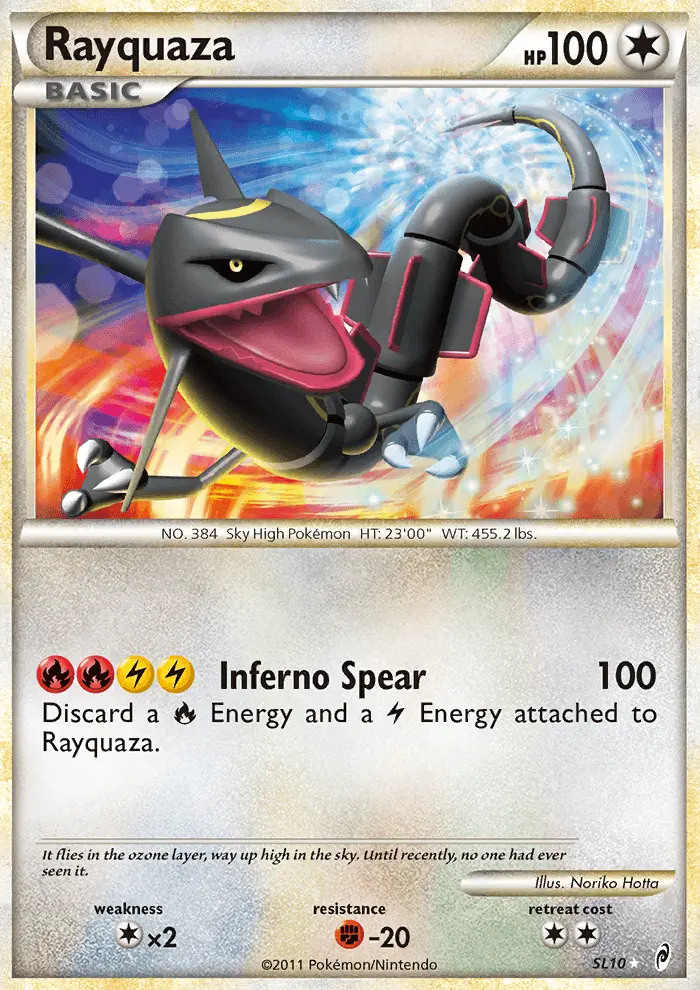
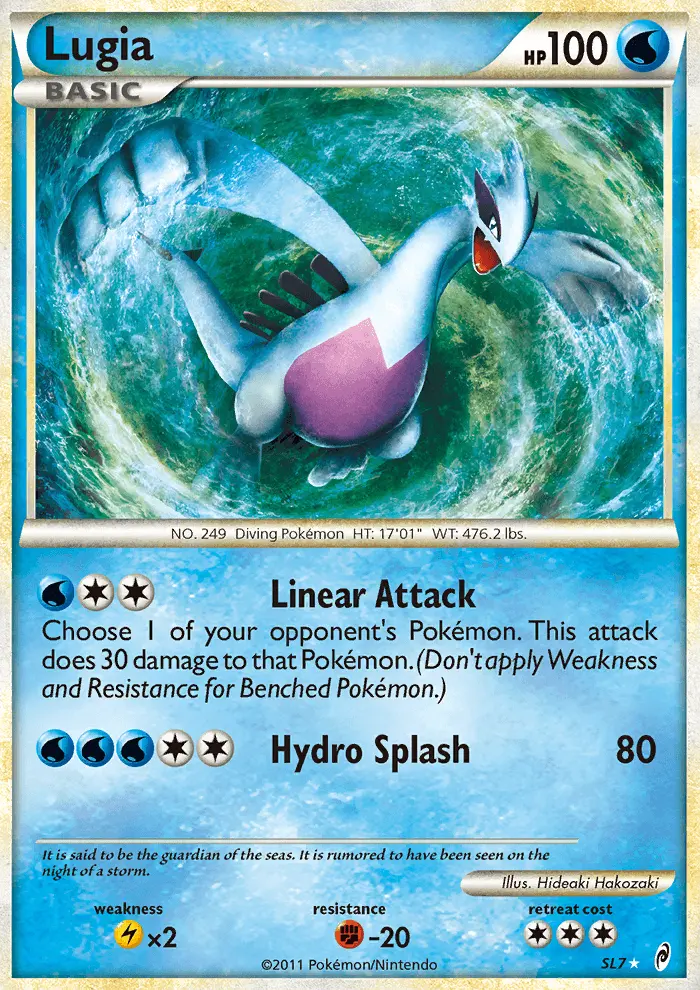
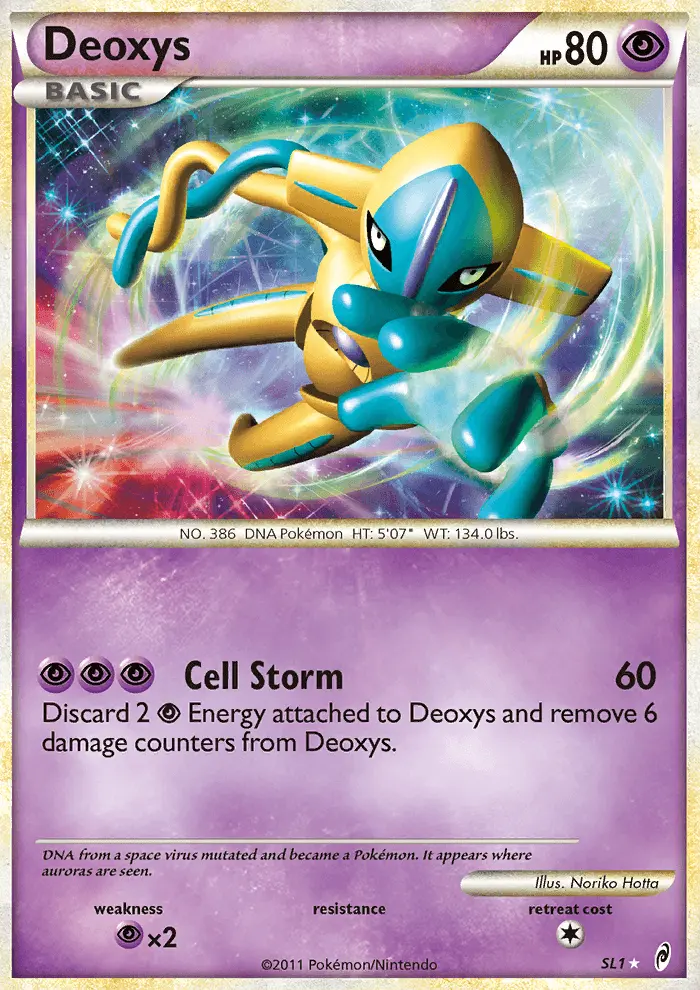
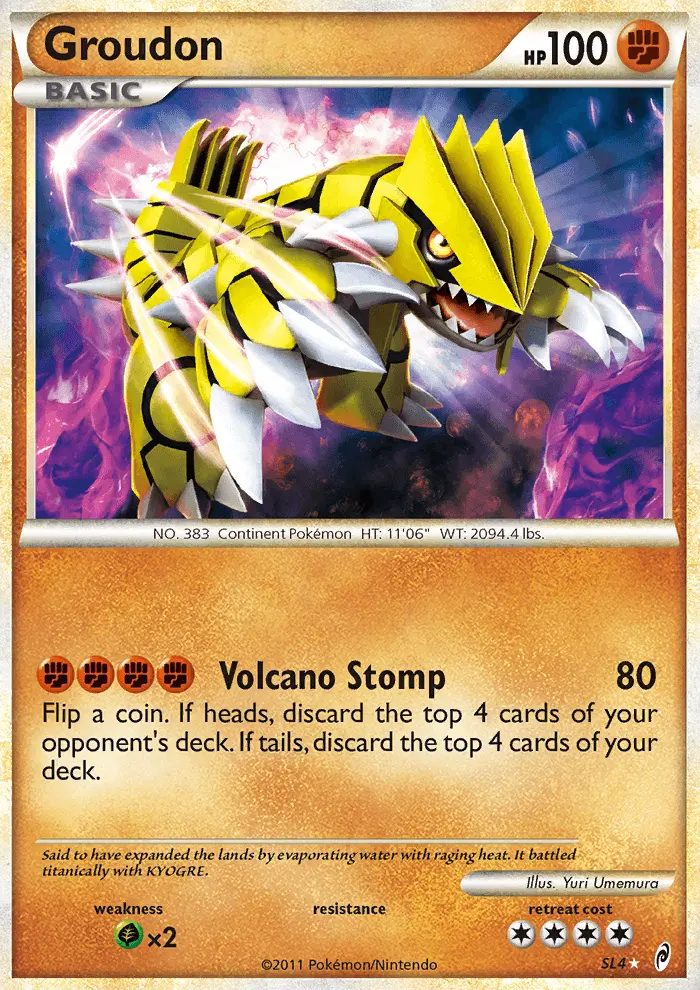
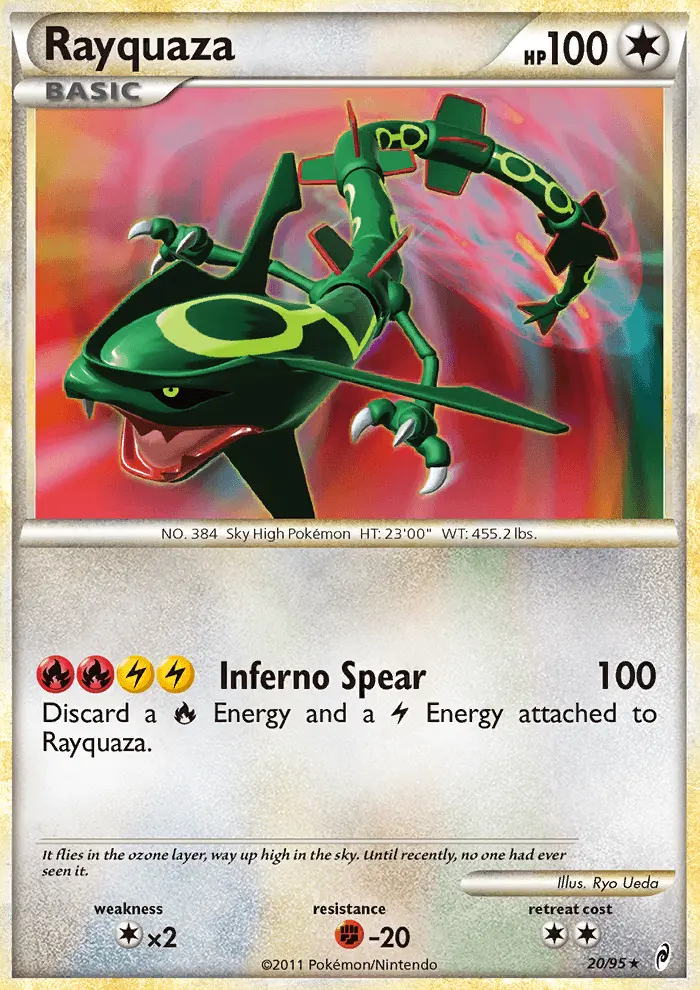
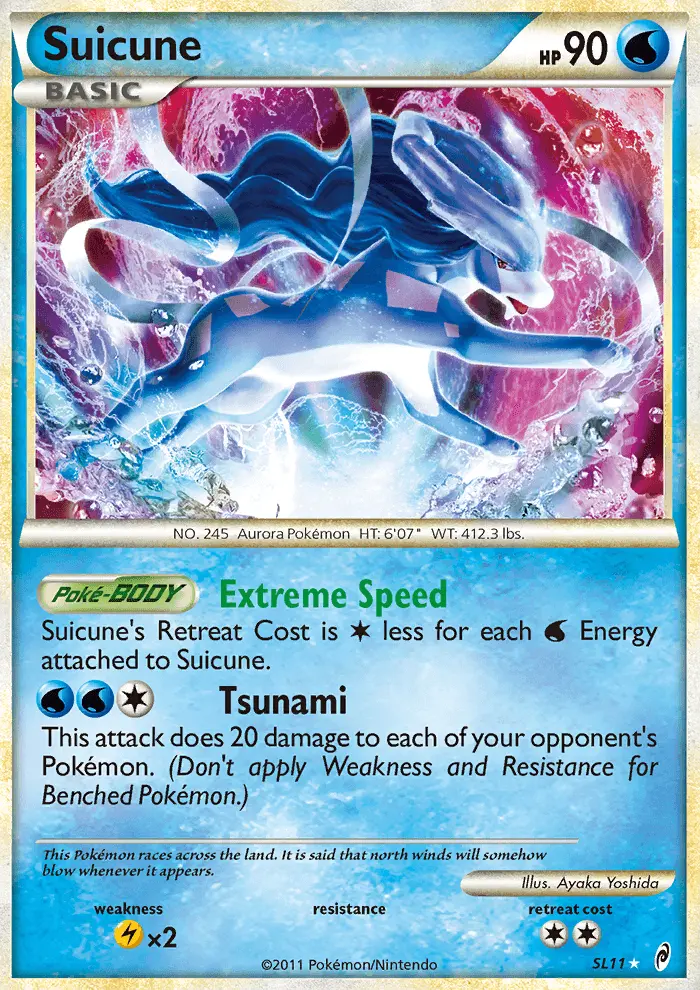
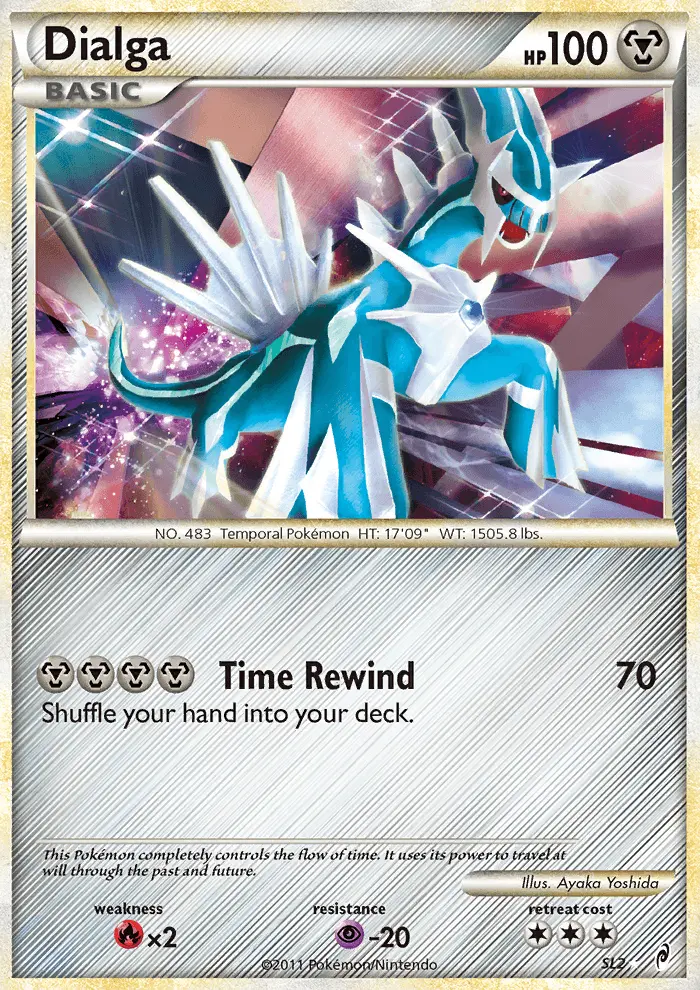
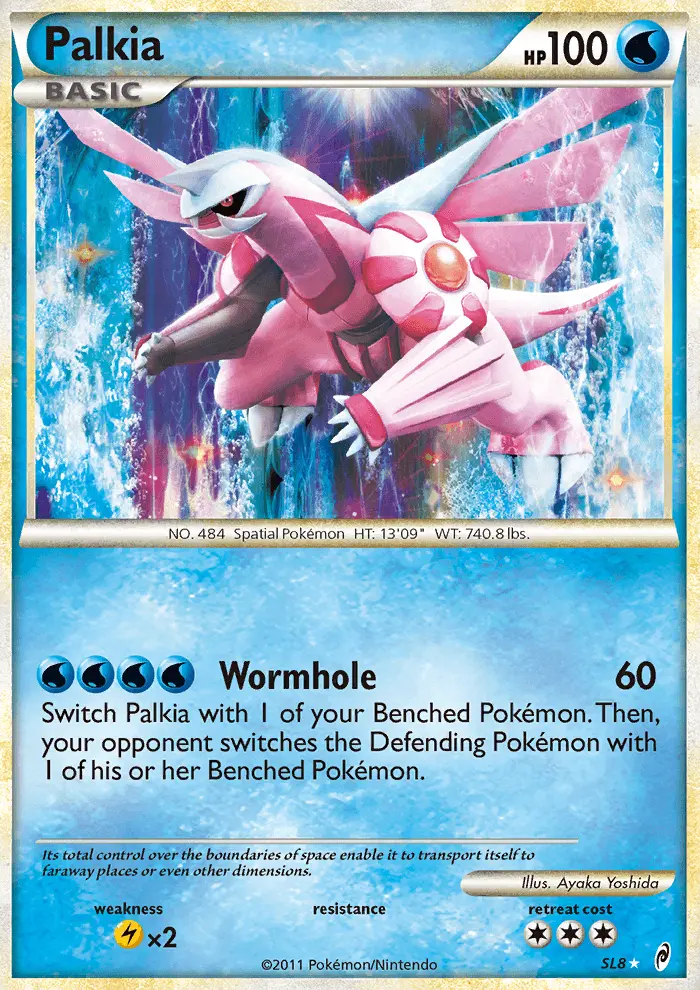
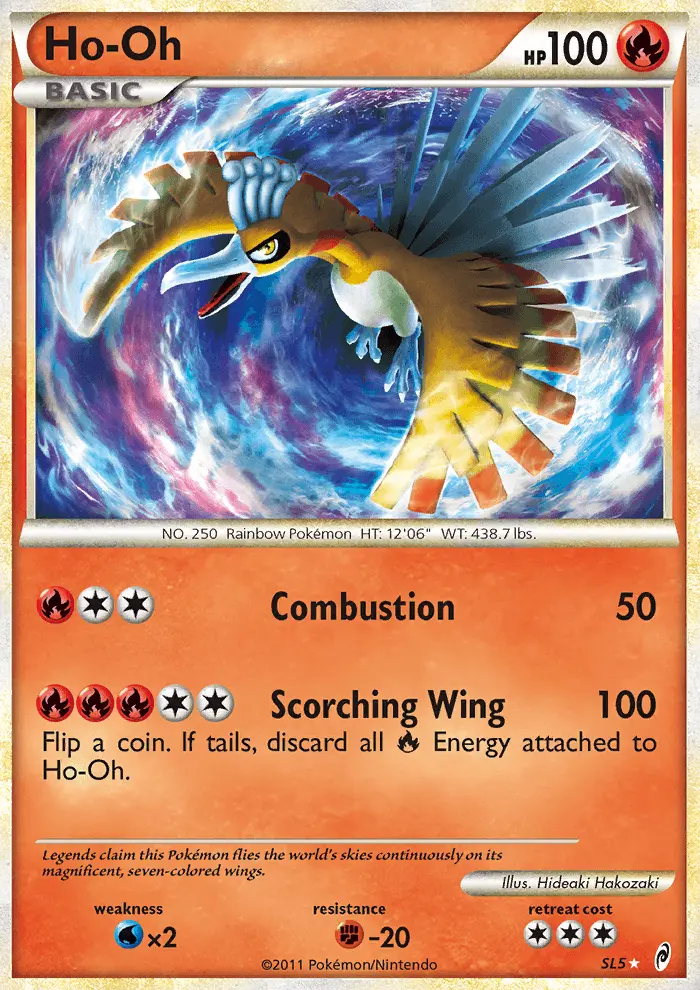
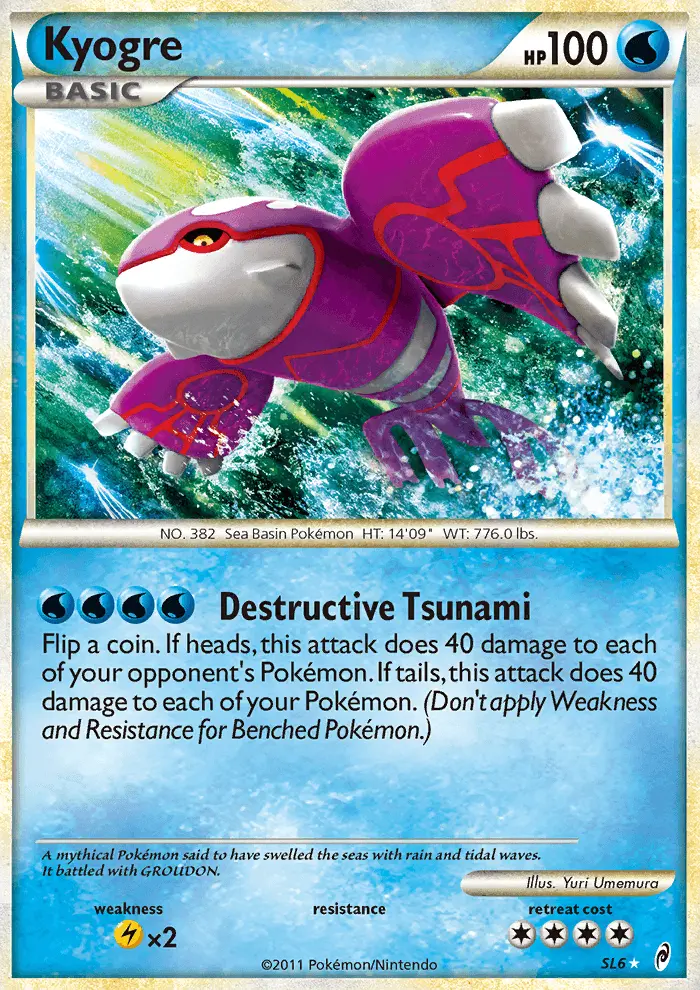
Call of Legends illustrators
Frequently asked questions
When was Call of Legends released?
Call of Legends released on February 9, 2011.
How many cards are in Call of Legends?
Call of Legends contains 95 official cards, plus 11 secret rares and bonus cards, for a total of 106 cards.
How many Secret Rares are in Call of Legends?
There are 11 secret rare cards in Call of Legends.
What is the most expensive card in Call of Legends?
The most expensive card in Call of Legends is Rayquaza #SL10 (Rare Holo), at $665.25: the median of 12 completed sales over the last 30 days, as of August 18, 2026.
Which Call of Legends card lets a player win without taking all six Prize cards?
Lost World, the Stadium card at 81. Once during each player's turn, a player whose opponent has six or more Pokémon in the Lost Zone may choose to win the game there and then, which makes it the first alternate win condition printed in the Pokémon Trading Card Game.